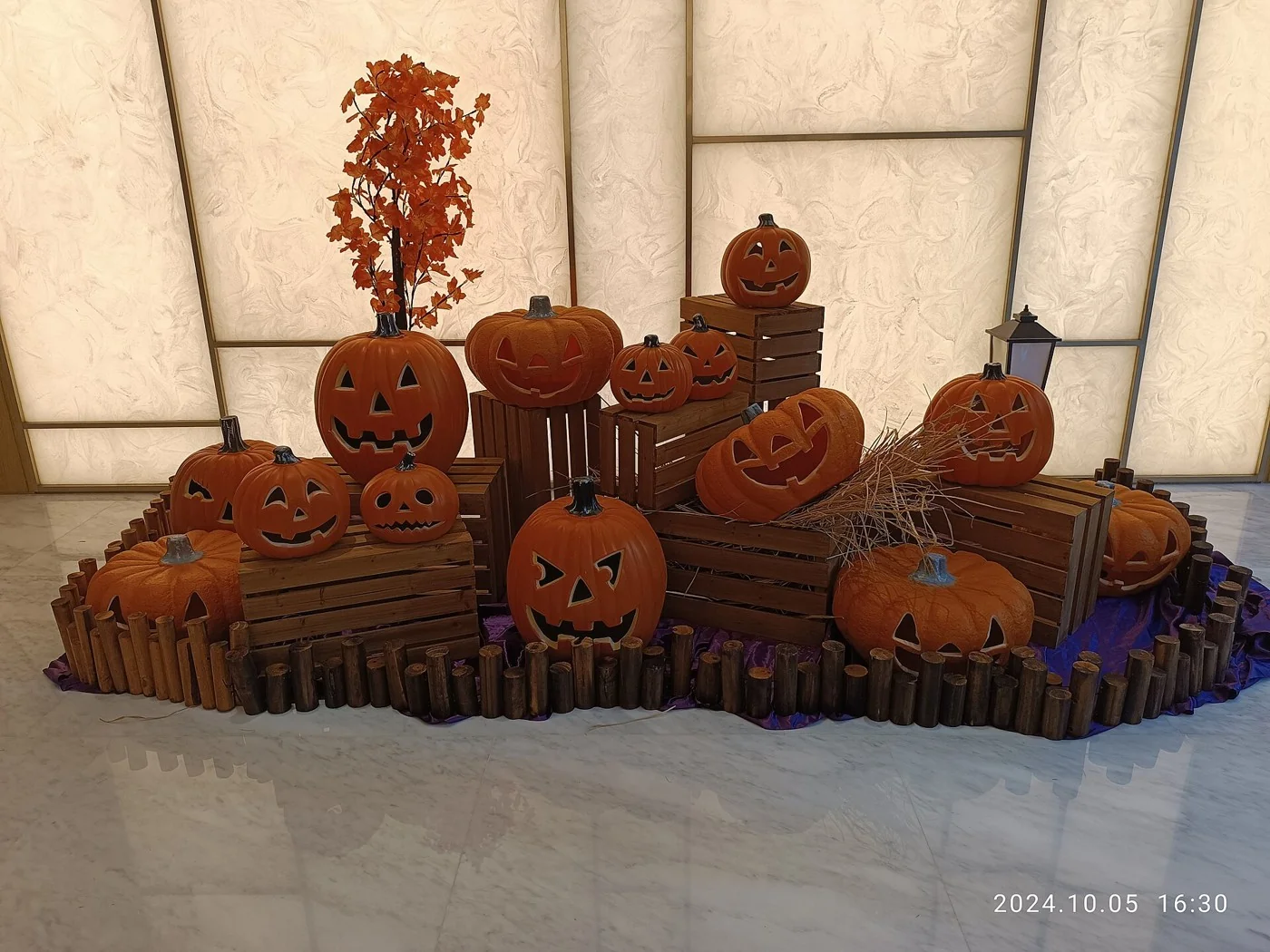
Before buying another Halloween decoration, decide what sort of story the objects are being asked to tell. A paper bat and an ordinary pumpkin can belong to a playful kitchen mystery or a more ominous fictional scene. The following two short descriptions keep the same inventory: one small pumpkin, one paper bat, one empty plate and a closed kitchen door. They change the wording and implied stakes. Neither has been read to an audience or used to assess anyone’s tolerance for fright.
Version one: the important matter of a biscuit
The little pumpkin supervised the empty plate with an expression of enormous professional concern. Above it, a paper bat leaned sideways, apparently unwilling to account for the missing biscuit. The kitchen door remained shut. Behind it, someone was conducting a suspiciously crunchy investigation.
This original comic version makes a tiny domestic matter sound like official business. The pumpkin’s imagined authority is large compared with the missing snack. The bat is not pursuing a person; it appears to be avoiding responsibility. Even the closed door points toward an ordinary possible explanation. The objects remain still while the narration assigns them exaggerated jobs.
Version two: the empty place becomes a warning
The pumpkin waited beside the empty plate. Above it, the paper bat cast a shape that reached toward the closed kitchen door. No one explained why the plate had been cleared. From the other side came a single crunch, then nothing.
This second original version gives the same objects less explanation. The waiting verb and the absence of an answer make the plate’s emptiness part of an unresolved question. The bat itself has not become larger; its described shadow extends the apparent scale of the scene. The final silence withholds the everyday explanation offered by the comic wording.
The descriptions are not two accounts of an actual decorated room. Neither establishes that a shadow existed, that anyone heard a sound or that a guest reacted. Their difference is a writing choice: the first makes an explanation comically available, while the second delays it. A reader could still find the second amusing or the first unsettling.
Choose what the invitation should promise
For an imagined gathering centered on chatting and a light kitchen puzzle, I would choose the first tone. A possible invitation line would be: ‘Join the pumpkin’s entirely unofficial missing-biscuit inquiry.’ That sentence signals the intended comic scale without claiming that every guest will respond in the same way. There is no need to advertise an intense scare experience when that is not the event being proposed.
For an event whose actual format includes suspense, the second description might be a starting point for discussion with the people attending. It does not make surprise noises, darkness or jump scares appropriate by implication. Those would be separate features of a real event, not consequences that can be smuggled into a small piece of atmosphere writing.
Spend on the missing function, if there is one
Purdue OWL’s descriptive-writing guidance emphasizes choosing language relevant to the intended description. Here that means giving the pumpkin, bat and plate specific jobs rather than accumulating spooky adjectives. The scenes themselves and the host’s preference are original; they do not reproduce a supplied story or a published Halloween script.
An existing paper shape could already serve the imagined comic version. Buying a larger prop because the second paragraph sounds more dramatic would confuse language with a practical need. Before ordering anything, name what the actual gathering lacks: a visible sign, a place for the written puzzle or simply a clearer invitation. The comparison supplies a tone decision, not decoration-installation instructions or a prediction about children’s development.
Sources & further reading
Published sources for the details and examples discussed in this story.