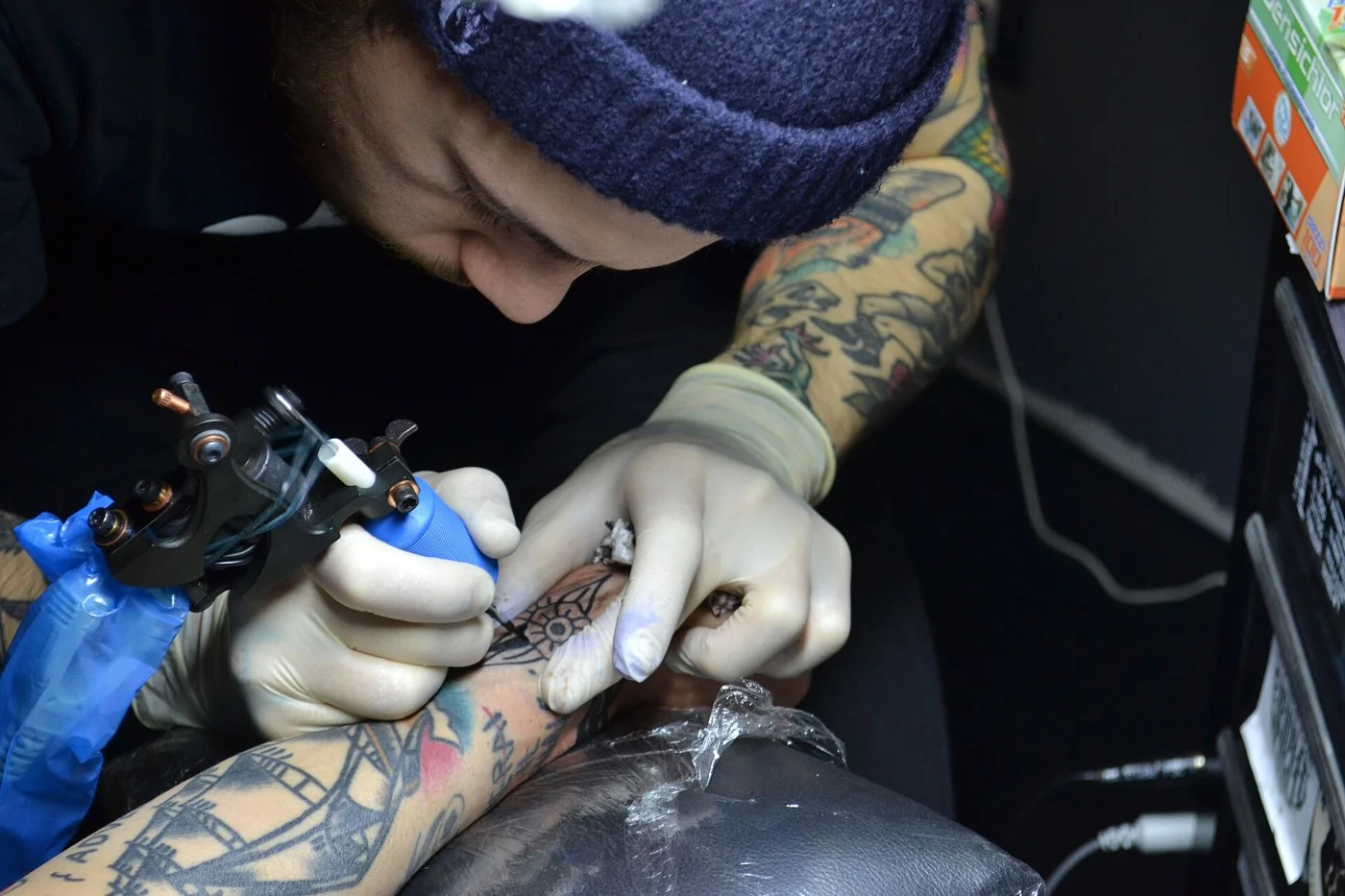
A tattoo idea can be explored without putting a colorant on skin. A few paper versions can show how a shape relates to clothing, a watch or the outline of an arm. Treat that exercise as a design study, with a small set of questions to take to a consultation rather than a promise about a future tattoo.
Make a comparison you can actually use
Draw or print the same simple outline at three sizes. Hold each paper version near the proposed position without attaching unsuitable materials to skin. Look in a mirror and from an ordinary viewing distance. Compare one variable at a time: size first, then orientation or position. Otherwise, it becomes difficult to explain which change made a version feel more balanced.
Try the comparison beside the clothes and accessories you wear regularly. A sleeve may hide part of the design, or a watch may occupy the same area. Note the version you prefer and why. Keep the paper samples together so the result is a small useful record, not an expanding folder of unrelated inspiration images.
Keep the FDA boundary around henna clear
For the United States, FDA says henna is approved as a hair dye, not for direct application to skin. The agency also explains that black-henna products often use p-phenylenediamine, or PPD, to darken the color. PPD can cause dangerous skin reactions and is not permitted in cosmetics intended for skin application. Henna body art is therefore not an appropriate suggestion for this placement exercise.
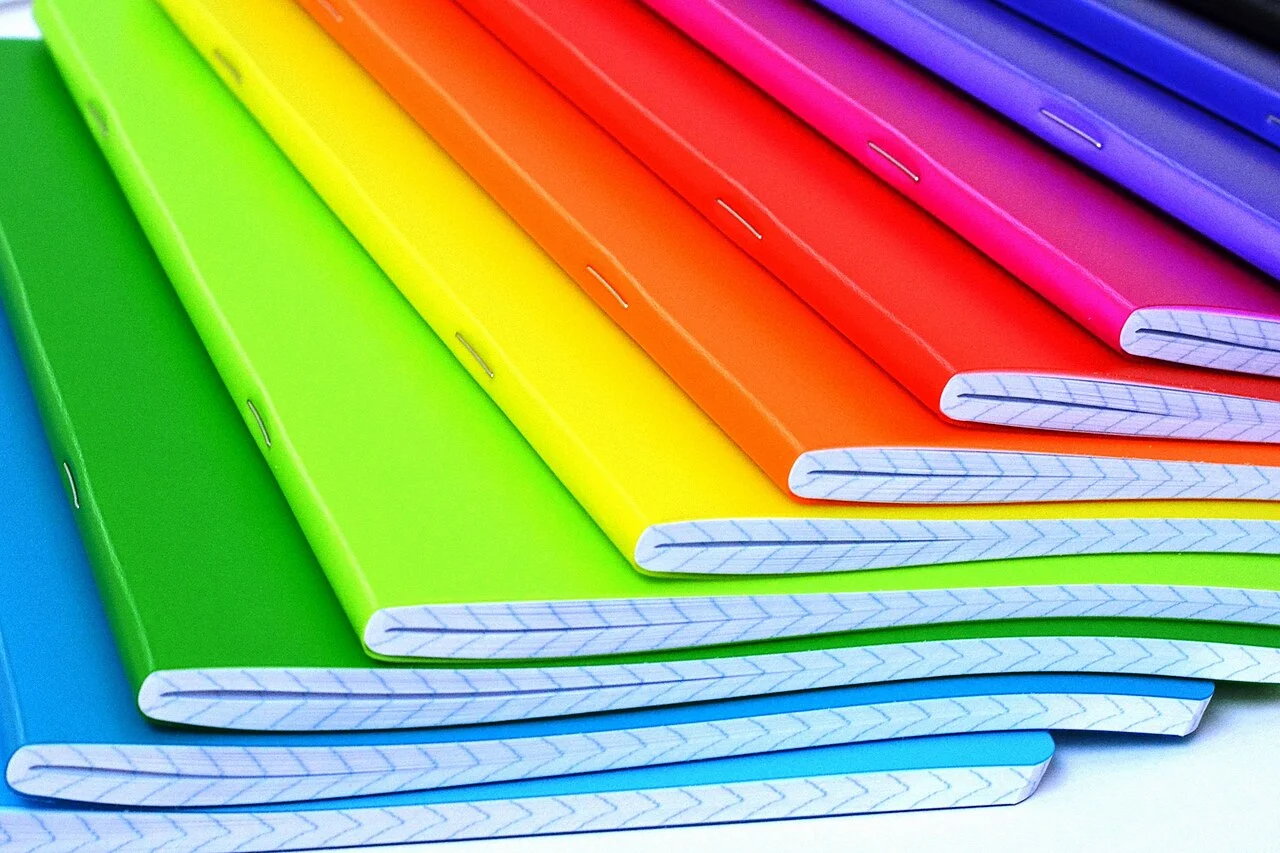
A natural label or a familiar-looking brown stain does not resolve those concerns. Keep the paint and drawing materials in the photograph on paper, not on skin. Do not use hair dye, craft ink or an improvised mixture to make a temporary version. A paper study remains a complete option; there is no need to graduate from paper to a skin-applied product simply to continue planning.
Do not turn a temporary product into a safety test
FDA has received reports of reactions to some decal temporary tattoos as well. If considering a cosmetic product, examine its ingredient information, intended use and instructions, and contact the manufacturer about anything you need clarified. The word temporary describes duration, not an assurance of individual suitability. Missing information is a reason to leave the purchase aside, rather than to try an unknown material on a hidden patch of skin.
This guide does not recommend an at-home skin test or provide treatment advice. Ask an appropriate healthcare professional about a reaction, a known sensitivity or a personal medical concern. A design that looks appealing for an afternoon cannot tell you how permanent tattooing will heal, age or affect your particular skin. Those questions are separate from whether you like a drawing's size.
Finish with a consultation note, not another purchase
Bring a short record of the preferred scale, the proposed location and the practical clothing questions. Ask the studio about its process, local requirements and the limits of the design you are discussing. A consultation may lead to changing the idea, choosing another position or deciding against a tattoo. The planning has still been useful if it helps you make that choice clearly.
Avoid buying a large pack of temporary designs to create momentum toward a decision you are not ready to make. Keep any personal reference photographs private and share only what is relevant to the consultation. A useful outcome is a concise question list and a clearer preference, with medical and regulatory questions left to appropriate qualified sources.
Sources & further reading
Published sources for the details and examples discussed in this story.