When a cosmetic product seems connected with a problem, it can be difficult to remember the exact name once the outer box has gone. A useful record starts with what happened and which item was used, while keeping medical help ahead of paperwork. This guide concerns organizing information and finding the appropriate US reporting route; it does not diagnose a reaction or establish what caused it.
Put care before the form
FDA's cosmetic-complaint guidance says to stop using the product and contact your healthcare provider when there is a reaction or problem. Do not continue using it to make the account more convincing or try another application on a hidden patch of skin. If you need urgent help, seek it rather than finishing a shopping record first. Follow appropriate healthcare guidance for your circumstances.
Keep that decision separate from whether the retailer has replied. A return request, a star rating and a health consultation serve different purposes. You can organize product details once it is appropriate to do so. There is no requirement to write a polished story before asking a qualified professional for help.
Preserve the identity of the actual item
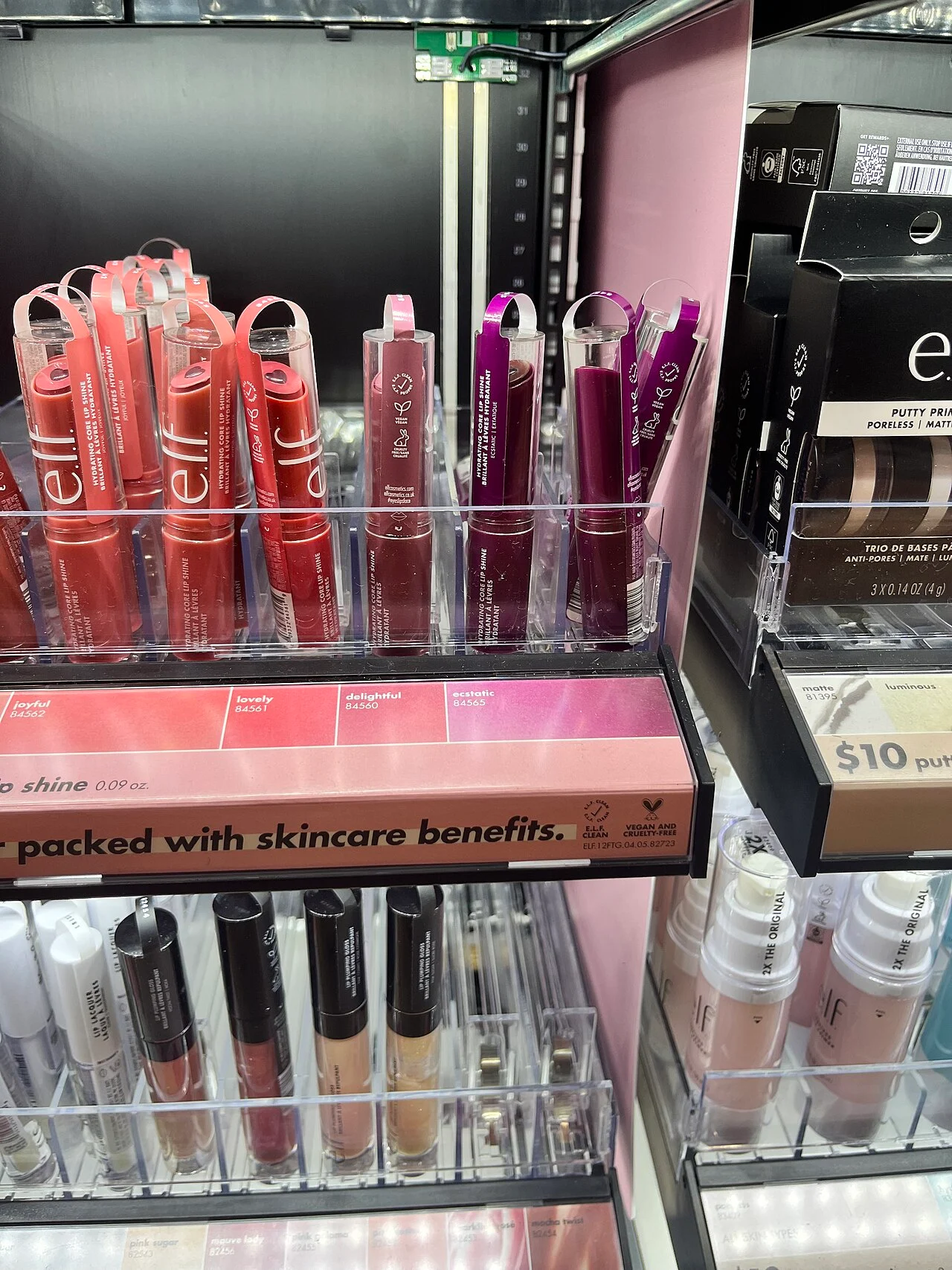
Photograph or copy the product name as it appears on the container and packaging, along with the maker's name and any visible lot number. Keep the variant clear: a product family name may not identify the shade, formulation or specific item. Do not guess a missing code from another bottle's photograph. Note where and when it was bought, retaining the receipt or order record if available.
FDA's consumer voluntary-reporting form asks for product-identifying and purchase information and includes a lot-number field. Its instructions say photographs of all sides can help review and tell consumers not to send the product unless contacted. Retain relevant material appropriately; do not mail a used item to an address found in a comment thread or alter its contents to demonstrate the concern.
Describe the sequence without supplying a diagnosis
Write down when the product was used, when the problem was noticed and what you directly observed. If other products or circumstances are relevant, record them accurately instead of forcing the account to point toward one conclusion. Distinguish a date you know from one you estimate. Copy medical findings only as the healthcare professional supplied them; an online description is not a substitute.
FDA accepts reports of unexpected reactions as well as product-quality concerns such as unusual smell, color change or foreign material. The consumer form makes clear that reporting does not establish that the product caused the event. Avoid turning a useful factual account into a public accusation or a claim that every item in the same range is defective.
Use the channel for the job you need done
For US cosmetic problems, start with FDA's current consumer-reporting page and follow its official links. The agency distinguishes consumer reporting from industry's reporting responsibilities. Do not select a company-only route simply because it appears to require a more serious-looking form. Use current instructions rather than an old social-media tutorial or a message asking you to disclose health details publicly.
Contact the maker through its verified product or official website route when you need to provide product information or ask about the item. Deal separately with the retailer's order or return process. Keep reference numbers and replies with the record. None of those acknowledgements should be described as a diagnosis, a finding against the product or a promise of a particular refund.
Keep the record private and usable
Store photographs, dates and correspondence where you can share the relevant parts with the appropriate recipient. Review the official form's privacy information rather than assuming every detail stays anonymous. Do not include another person's health history in a public product review. A concise account with a readable label and an honest sequence is more useful than an embellished story, especially when you need to return to it later.
Sources & further reading
Published sources for the details and examples discussed in this story.