A vanity mirror can look generous on a product page and still leave you leaning toward a dim corner at home. The useful choice depends on where you sit, the available light and what you want to see. Rehearse the position with a mirror you already have before buying magnification, integrated lighting or another piece of furniture.
Find the everyday viewing position
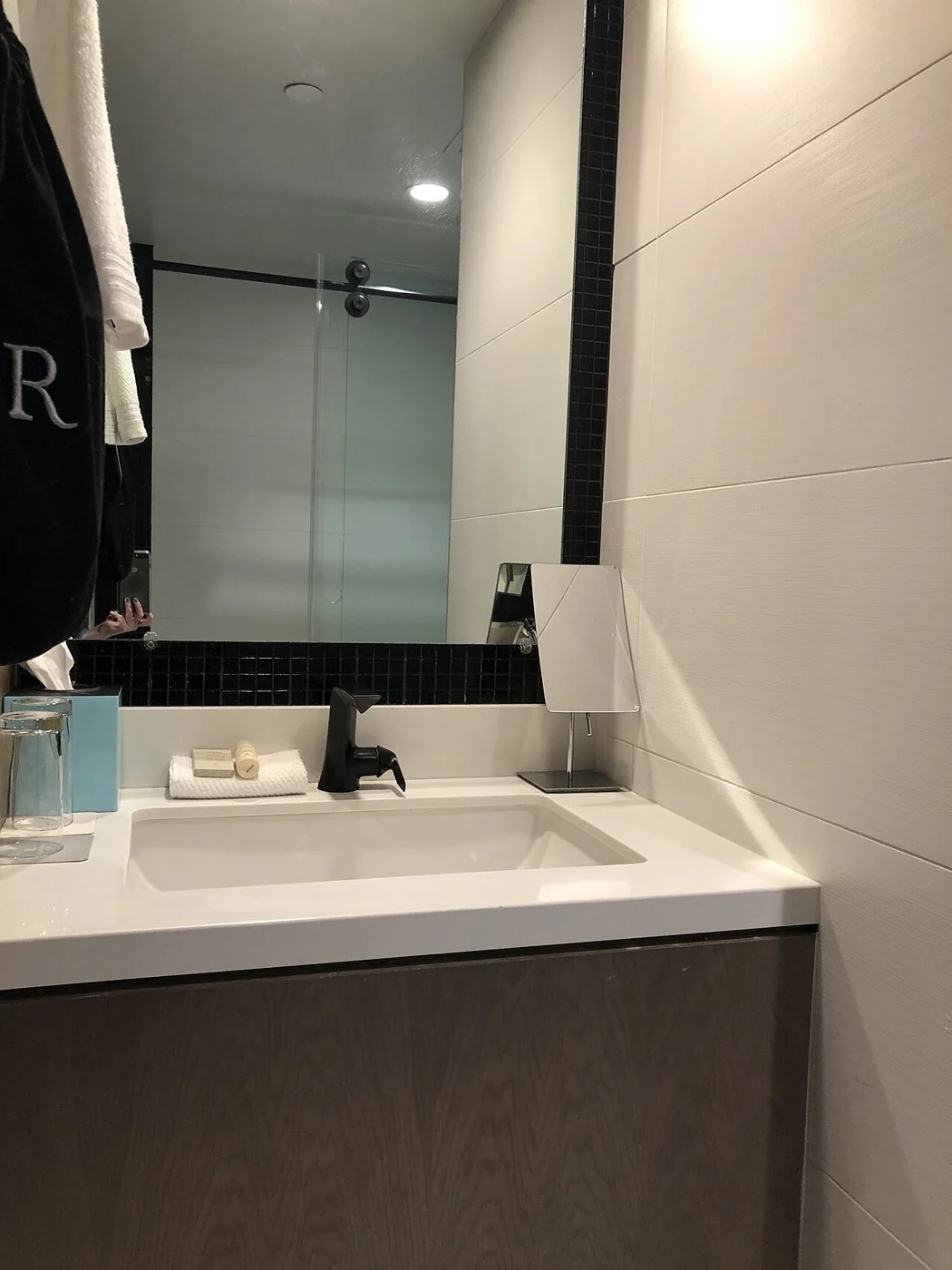
Sit at the surface where you plan to get ready and place a temporary mirror at a comfortable height. Check whether you can see without bending awkwardly or moving every item off the table. Note the space needed for its base as well as the reflective area. A large mirror can occupy less usable space when wall-mounted appropriately, but installation must suit the wall and the product. If fixing is not permitted, a stable tabletop option may be more practical. Make the choice around the room you use, not a future dressing area you have not arranged.
Observe light at the time you get ready
Morning daylight and an evening lamp can create very different conditions. Look for shadows and reflections from the actual seat, using the lights you normally turn on. Moving an existing lamp or changing the mirror's location may reveal the real obstacle. Avoid assuming that a bright product photograph establishes accurate color rendering or useful brightness in your room. Read the maker's lighting specifications and controls if comparing illuminated mirrors. An advertised effect needs to be understood in terms of the actual product rather than treated as proof of a professional result.
Decide whether magnification solves your task
A magnifying side can be useful for a close detail but is not automatically the best general view. Try the intended viewing distance where a shop allows and check how easily you can switch between the two sides. If the mirror folds or rotates, follow the maker's placement guidance and keep the base secure. Do not choose an unfamiliar magnification solely because the number is larger. People with vision concerns should seek appropriate professional guidance; a decorative mirror is not a substitute for assessment. The shopping question is whether the view supports the task comfortably.
Plan power and placement together
For an illuminated model, confirm its power source, supplied accessories and any charging requirements. Follow the product's directions for the intended environment, particularly where moisture may be present. Do not assume a mirror is suitable for a bathroom because the photographs show tiles. Keep cables arranged without creating a walking hazard or relying on improvised electrical work. Compare a simple non-powered mirror plus suitable existing lighting with the complete powered option. Include replacements or consumables where relevant, and check whether the controls remain reachable from the position you have rehearsed.
Compare the offer beyond the image
The FTC advises online shoppers to read the complete description and delivery and return terms. Confirm the mirror's usable size, base footprint and included accessories. If a large item arrives fragile, know the seller's process for reporting a problem and keep purchase records. A mirror that looks too small in a carefully cropped photograph may be adequate when placed correctly; a dramatic model can still be awkward to store or clean. Choose the option that leaves room for the rest of your routine and whose ordinary controls and care you understand.
Sources & further reading
Published sources for the details and examples discussed in this story.