The first few minutes in a hotel room can determine whether the next three days feel orderly or scattered. A phone goes on one surface, a room card on another and a receipt disappears beneath a bag. Give everyday objects a simple landing plan on arrival. The aim is to use the room comfortably, with a clear place for essentials and a straightforward check before departure.
Walk the room before setting things down
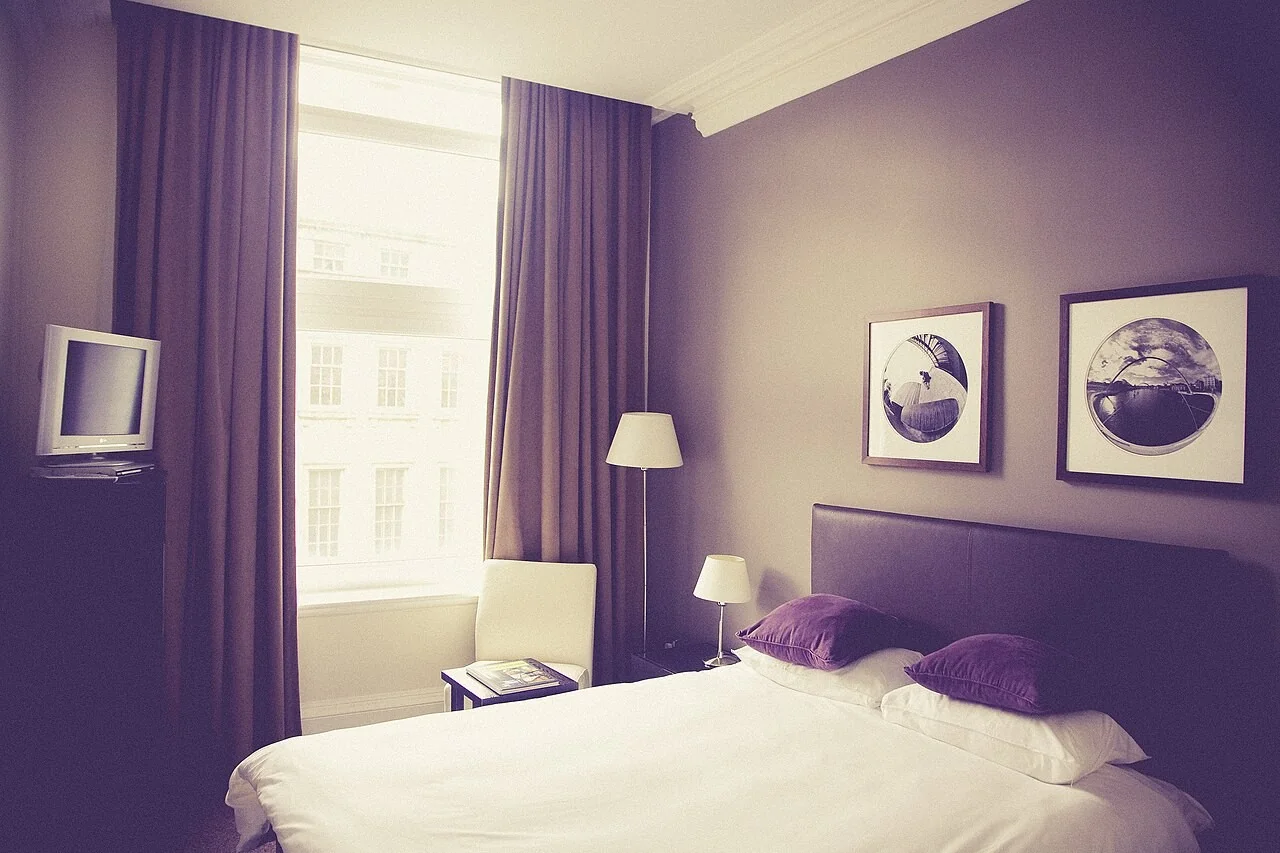
Look at the usable surfaces, lighting controls and the route between the entrance, sleeping area and bathroom. Keep the room access and walking space clear. Identify furniture intended for a bag rather than placing it wherever a corner first appears. Do not rearrange fixed equipment or assume every decorative surface can carry a heavy object. If something essential is unclear or unsuitable, ask the accommodation staff. This first look is about understanding the room you have been given, not trying to reproduce the layout of a room seen in a booking photograph.
Choose one place for leaving and returning
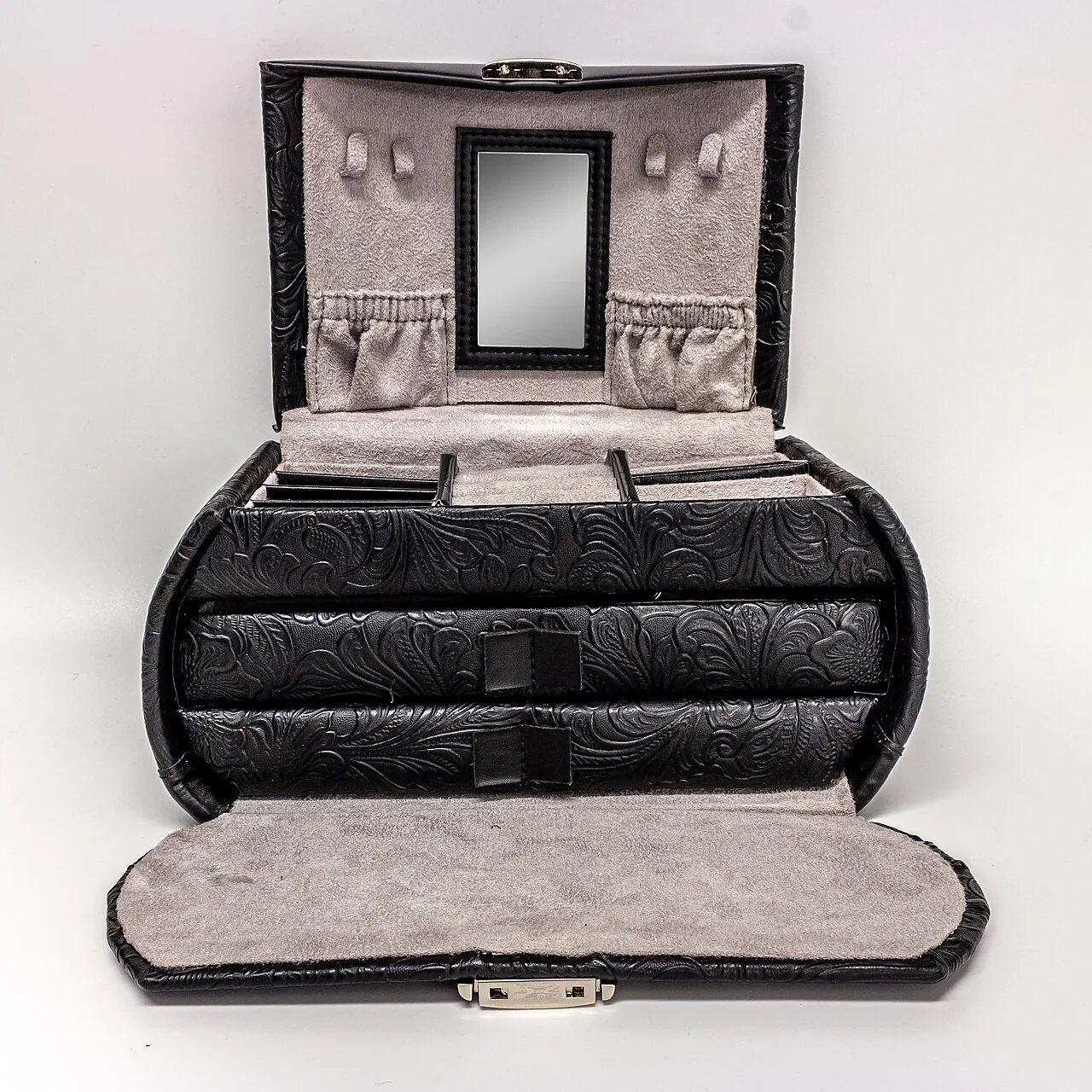
Give the room card, a small daily payment method and other appropriate essentials a consistent place that suits your own security needs. A clean existing surface or a small personal tray can work without a new organizer. Keep sensitive documents and valuables handled according to appropriate arrangements rather than treating visibility as protection. If two people share the room, agree on the location instead of moving each other’s things repeatedly. A simple shared understanding can make the next morning calmer: the objects needed to leave are findable, while unrelated receipts and packaging have another place.
Make the charging route part of the layout
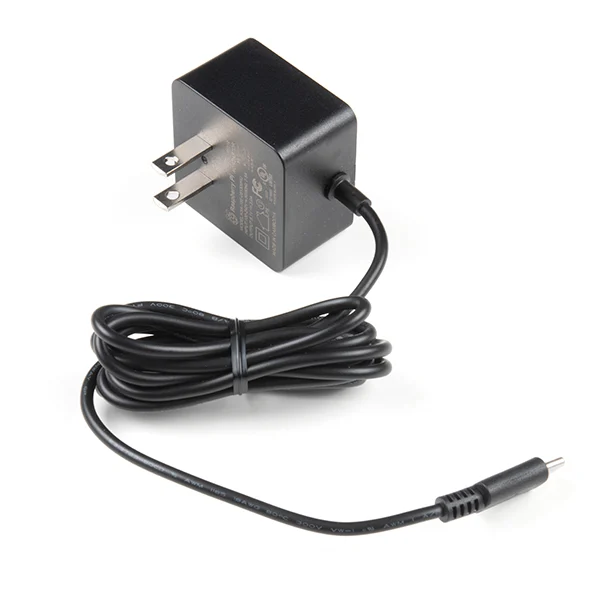
Check the actual device and adapter instructions, permitted electrical arrangements and the room’s guidance. Choose a suitable accessible surface rather than trailing a cable across the path to the bed or bathroom. Apple’s iPhone safety information calls for a well-ventilated charging location; follow the guidance for the devices you actually use. Do not cover equipment or improvise an electrical modification to achieve a tidier appearance. If a socket or accessory seems unsuitable, ask staff or the relevant manufacturer. The useful purchase, if any, is a compatible item that resolves a known need, not a bundle of unfamiliar adapters bought in anticipation.
Keep the work surface able to do its job
If the desk will be used for reading or work, reserve a usable area rather than covering it with everything brought into the room. Put the current book, notebook or computer where it can be used comfortably, with other personal items kept appropriately elsewhere. Avoid filling drawers simply because they exist; choose storage you can remember and check. A small rubbish and receipt reset can be enough to keep the room from accumulating yesterday’s loose objects. Ask about housekeeping arrangements when relevant and keep personal belongings handled so staff can perform the services you have agreed without having to interpret your private filing system.
Leave with a deliberate room check
Before checkout, review the locations chosen on arrival and any extra places used during the stay. Check charging points, suitable storage, the bathroom and the spaces around furniture without disturbing fixed fittings. Let the other person make a separate check if sharing the room. Follow the accommodation’s instructions for keys, cards and departure. If you later notice something missing, contact the property through its official channel. A landing-zone system is useful when it reduces searching and supports an organized departure; it should remain small enough that maintaining it never becomes another holiday task.
Sources & further reading
Published sources for the details and examples discussed in this story.