A plug that fits the socket can still leave an electrical compatibility question unanswered. Before buying travel accessories, distinguish the adaptor’s connection function from the supply your device is designed to accept. Use the actual device/charger documentation and verified destination information, not an assumption that every small travel gadget works everywhere. This guide provides a comparison method, not instructions for wiring, modifying equipment or choosing an improvised converter.
| Hypothetical documented input | UK example supply | What remains unresolved |
|---|---|---|
| 100–240 V, 50/60 Hz | 230 V, 50 Hz | Other maker/adaptor/earthing/load conditions; no safety result inferred |
| 115 V, 60 Hz only | 230 V, 50 Hz | Rating mismatch; ordinary adaptor does not convert supply |
The safety distinction comes before the shopping list
Electrical Safety First, a UK safety charity, says travel adaptors do not convert voltage or frequency. It also warns that earthing needs and the adaptor’s maximum rating matter. Its UK product-standard advice is UK-scoped; it should not be recast as a universal US approval rule.
For each actual device or supplied power unit, copy the documented input voltage/frequency and any relevant maker conditions. Then establish the destination supply and socket requirements through reliable current sources. If you cannot identify the rating or reconcile the information, obtain manufacturer or qualified-professional advice before connecting the equipment.
A hypothetical label comparison with a clear limit
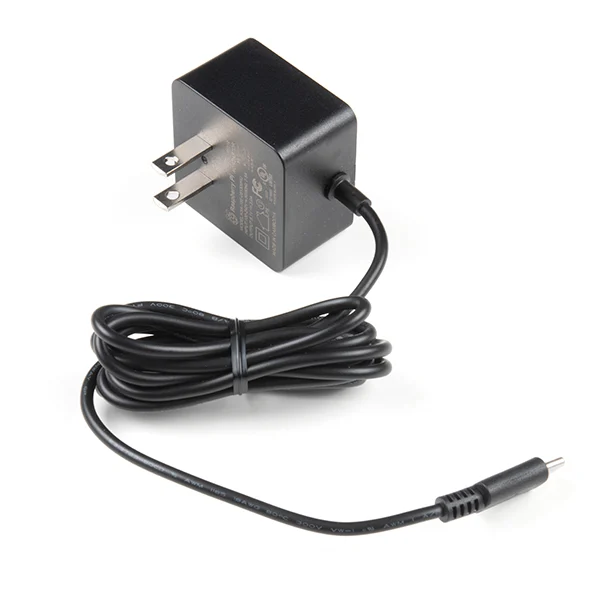
Suppose a purely hypothetical power unit is labeled 100–240 V, 50/60 Hz, while another is labeled 115 V, 60 Hz only. Against the UK supply of 230 V, 50 Hz described by the charity, those labels present different questions. The second does not match that supply on its stated rating, and an ordinary plug adaptor does not change it. These are invented labels, not tested devices.
Even the broader input range does not settle every connection, earthing, load or product-specific condition. Keep those questions with the maker’s instructions rather than declaring the device safe from two numbers. Do not open or modify equipment or use an incompatible device while guessing at a solution.
Buy for the confirmed equipment and destination
An original travel-power matrix can pair each exact device/power-unit identity with its input rating, destination supply, proposed adaptor’s stated function and the unresolved compatibility questions. Leave an unknown field unresolved instead of filling it from a similar-looking charger or a generic universal claim.
Before purchasing, confirm the actual combination with the responsible maker or qualified professional and use a reputable source for the required product. No adaptor, converter or appliance was tested here. The useful outcome may be leaving an unsuitable device at home or choosing a different confirmed arrangement, rather than buying an accessory that makes the plug fit without resolving the electrical question.
Sources & further reading
Published sources for the details and examples discussed in this story.