A reading nook does not need its own room, a sculptural chair and a matching collection of accessories. It needs somewhere comfortable enough to return to and a place for the things you genuinely use. If your living room already has a suitable chair, begin by moving and editing rather than shopping. The ideas below are editorial layout suggestions, with rug planning informed by IKEA’s published guidance.
Choose the quietest useful corner
Watch the room during the time you tend to read. A window seat that is lovely at midday may be directly beside the television at night. A chair slightly away from the main conversation area can make more sense than an empty corner that faces a busy doorway.
Try the existing chair in two positions before buying anything. Leave the passage through the room clear and check that the chair can be used without moving a coffee table. A successful nook feels like part of the room rather than an obstacle everyone must navigate.
Place the lamp around the task
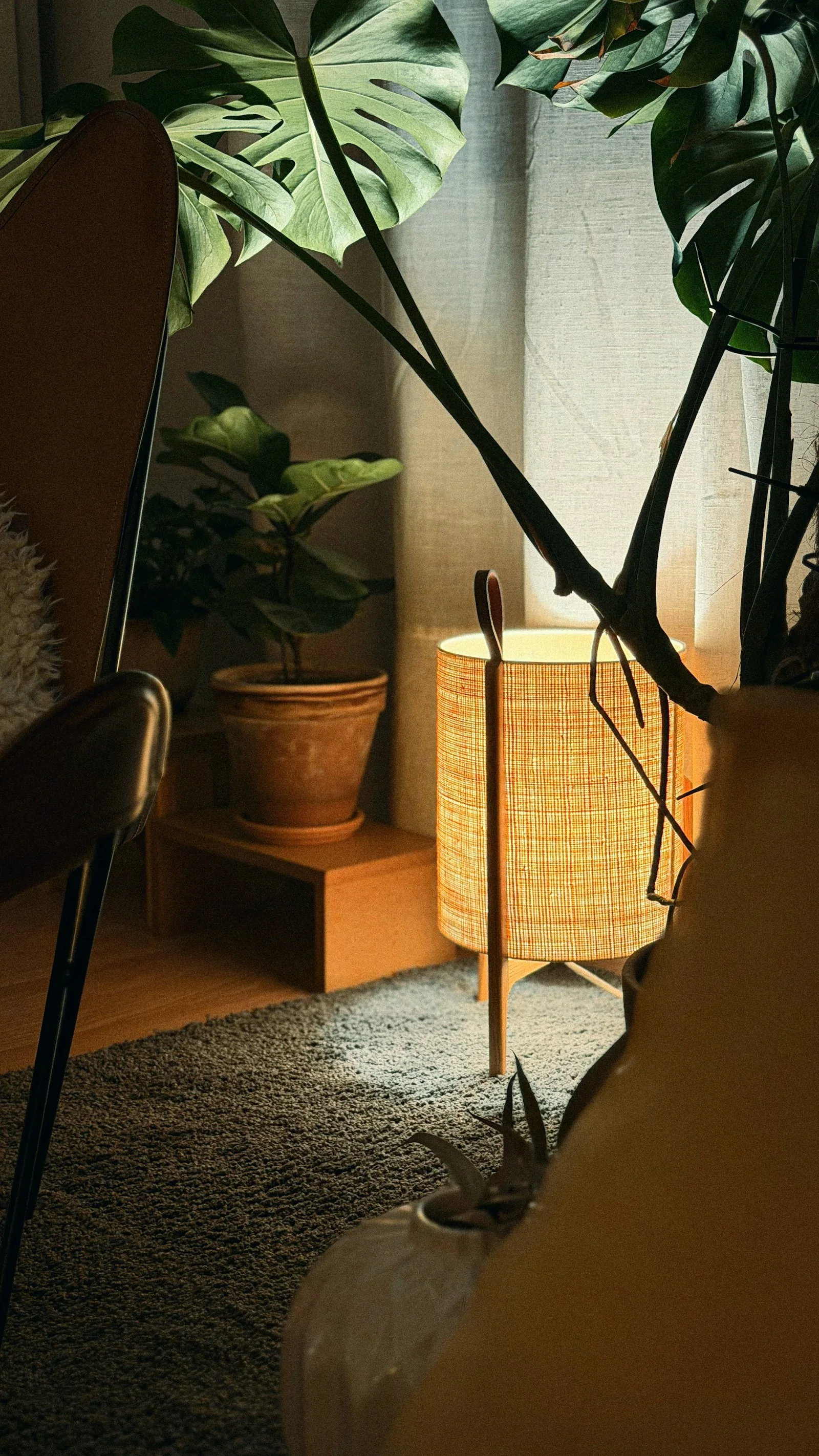
Use a lamp you already own to test where light reaches the page without leaving the shade in your line of sight. Move the light and chair together instead of treating the lamp as a decorative object with one fixed position. Keep the switch easy to reach from the seat.
When shopping, compare the shade, adjustability, base footprint and the manufacturer’s bulb requirements. A slim lamp can be useful where a larger base would narrow a walkway. A table lamp may be simpler if there is already a stable side table. Neither type is automatically better; the available space decides.
Give one small surface a clear purpose
A shelf, stool or side table only needs to hold your current book, a drink and perhaps glasses. Measure the place where it will go, including the space needed to sit down. Oversized surfaces invite piles that make a small nook feel unfinished.
If you are buying, check the top’s care requirements and the stability of the base. Do not assume a decorative stool is suitable for every use simply because it is shown beside a chair. Prefer a piece with a purpose elsewhere in the home so the purchase remains useful if you rearrange later.
Use a rug to connect, not to fill a shopping list
A rug can mark the seating area, but it is optional. Start by taping a proposed outline on the floor and looking at it from the doorway. IKEA’s rug guide suggests choosing a living-room rug that relates to the sofa’s width and allows the furniture to sit fully or partly on it. That is a planning approach, not a requirement to buy a particular size.
For a nook within a larger seating group, consider the whole group before adding a tiny separate rug. Check the door clearance, edge profile and care instructions. A pretty rug that constantly needs moving or complicated cleaning may be the wrong fit for a heavily used room.
Finish with fewer, more personal things
Choose a cushion or throw from another room and add one object you already enjoy looking at. Leave room to put the book down. A magazine stack may look appealing in a photo, but it is less useful if it becomes a permanent obstacle to cleaning.
Live with the arrangement for several evenings. Write down the actual problem that remains: perhaps the lamp is awkward, the table is too far away or the chair needs a different cushion. Buy only for that problem. The result is more individual than a complete matching nook ordered in one afternoon, and it is easier to change as your routines change.
Useful places to look
Sources & further reading
Published sources for the details and examples discussed in this story.