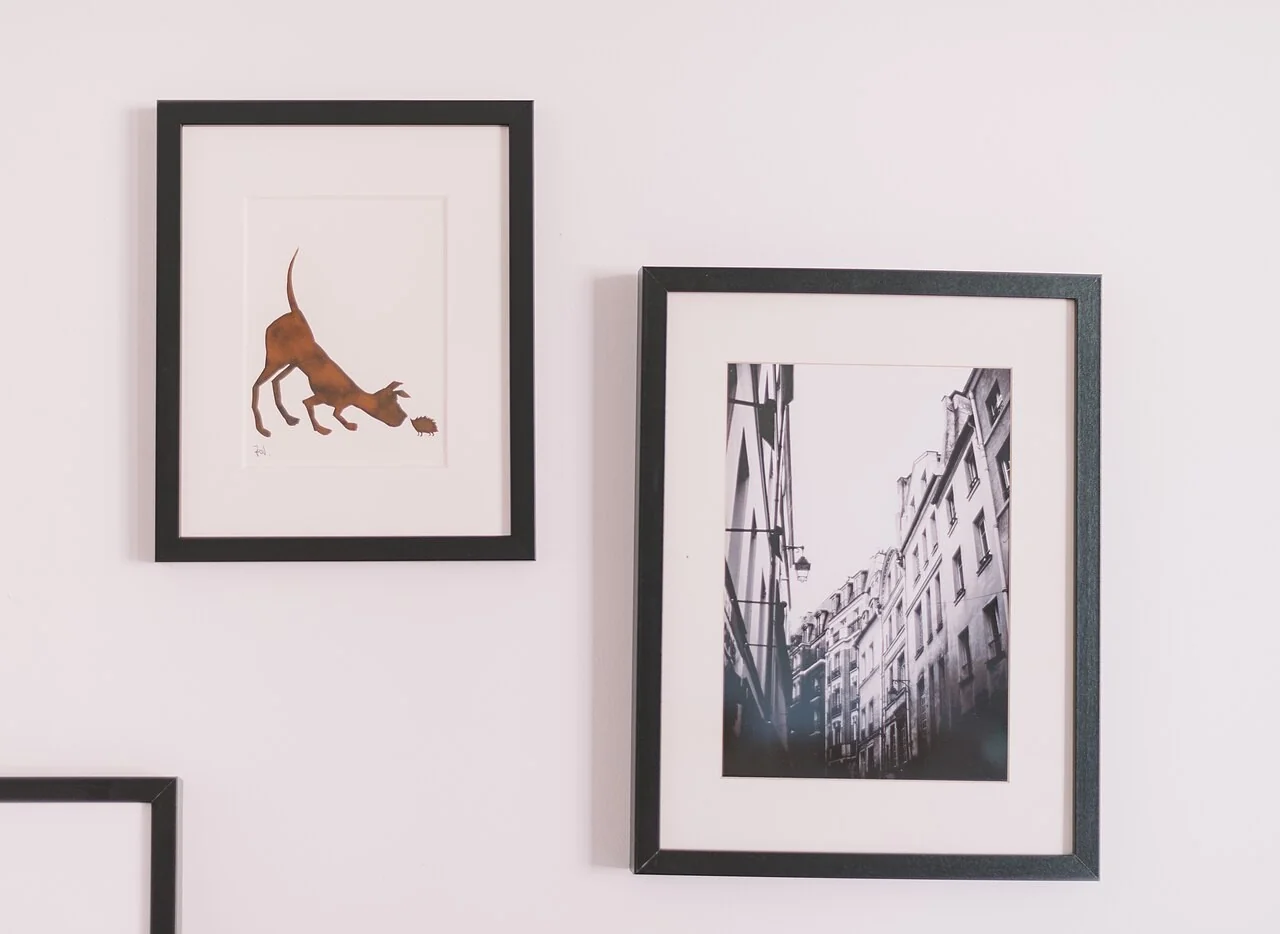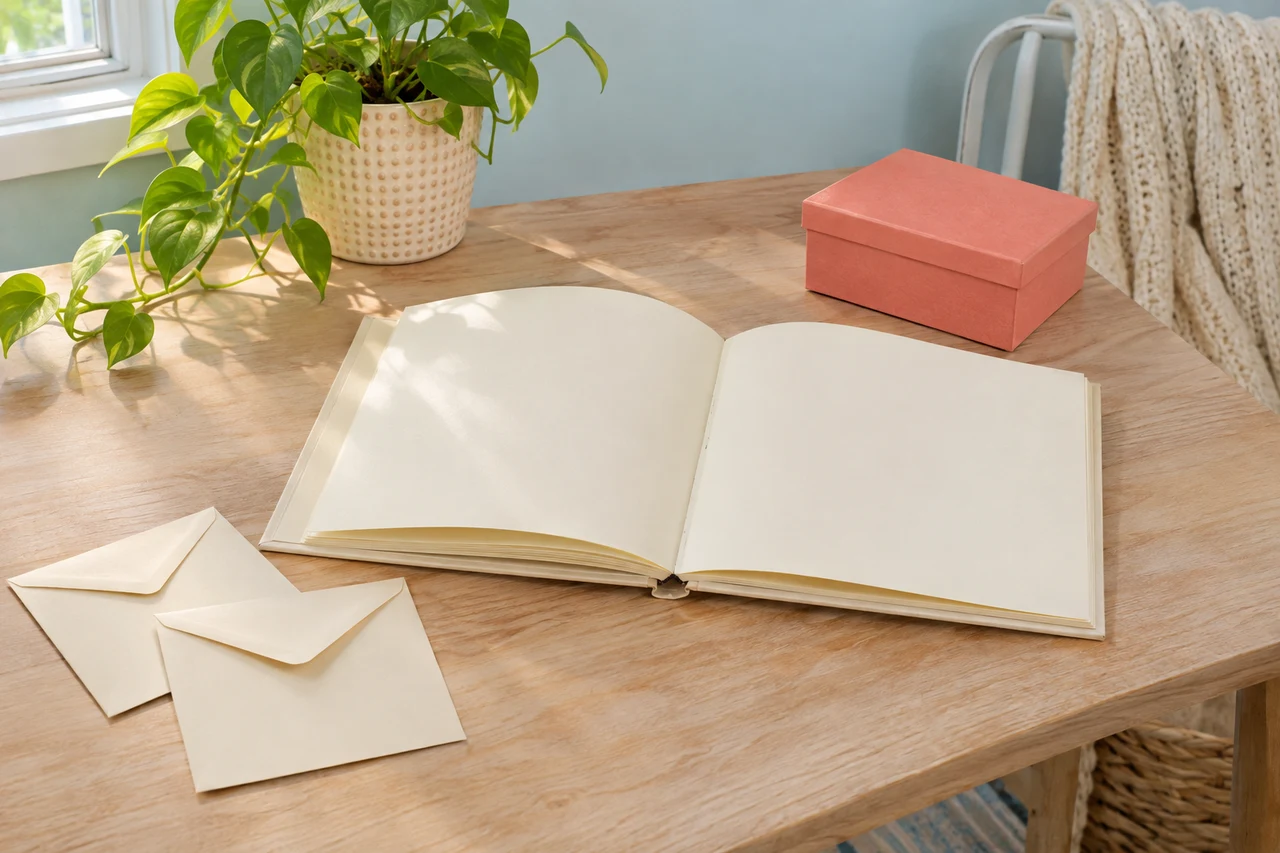
A print intended to pass between people has a different job from a picture placed behind glazing. Before selecting every finish in an album order, decide how the loose photographs will actually be handled. Walgreens describes glossy photo paper as shiny and matte paper as less likely to show handling smudges. That maker's comparison offers a starting point for a shortlist, rather than a reason to call one finish better for every photograph.
| Original intended use | Question before ordering |
|---|---|
| Ten loose album prints | Which available finish suits frequent handling? |
| Two possible display prints | Which paper surface is preferred, separately from glazing? |
| Any proposed sample pair | Are image, crop and size held constant? |
Give the twelve prints a job
Imagine an original project containing twelve photographs from one ordinary afternoon. Ten are intended for a loose-print album that people may open and rearrange; two will be considered for a framed display. No such album has been assembled here. The split is a planning example, not a report of family reactions or prints examined in a shop.
For the album group, put handling near the top of the comparison. A matte option deserves consideration where visible smudges are the concern. For the display pair, a preference for a shiny surface may remain relevant. Neither decision establishes the print's lifetime, resistance to damage or exact color appearance in the finished room.
Change the surface without changing the photograph
If you decide to investigate samples, ask whether the same image can be ordered in the same size and crop on the candidate finishes. Holding those choices steady makes the proposed comparison easier to understand. Otherwise a more generous crop or a different image may attract you while the paper finish receives the credit.
This is a suggested comparison design, not a sample test we performed. Check the actual service's options, minimum order and total cost before ordering. You do not need a large mixed pack merely to investigate one unresolved preference. Retain the exact finish name so a later album order refers to the option considered.
Keep glazing out of the paper label
A matte paper choice does not specify the glass or acrylic in a frame. Those are separate materials with their own compatibility and care questions. Equally, choosing glazing does not tell the printer which surface to use. Write the paper finish and framing specification separately rather than use one word to cover the whole assembly.
For the imagined project, it is reasonable for the ten album prints and the two display prints to follow different decisions. Buy for each task instead of forcing a single finish across all twelve for tidiness. Keep supplier handling instructions with the prints, and treat a surface preference as a preference rather than a guarantee of protection or a substitute for appropriate storage.
Sources & further reading
Published sources for the details and examples discussed in this story.